


Sustainable landscape design
Building your garden sustainably does not mean compromising on design or quality. At PC Landscapes, we create high-performance outdoor spaces that reduce environmental impact, lower long-term costs, and support healthier ecosystems.
From the first consultation, we work closely with clients, architects and engineers to understand each site’s natural assets. This allows us to preserve valuable features, minimise waste and deliver gardens that provide long-term environmental and visual value.
Our sustainable landscape design process focuses on reducing carbon impact, cutting unnecessary waste and improving long-term performance. Using intelligent planning and advanced design software, we optimise every stage of the project to improve efficiency, control costs and deliver stronger environmental outcomes.
Our sustainable design approach
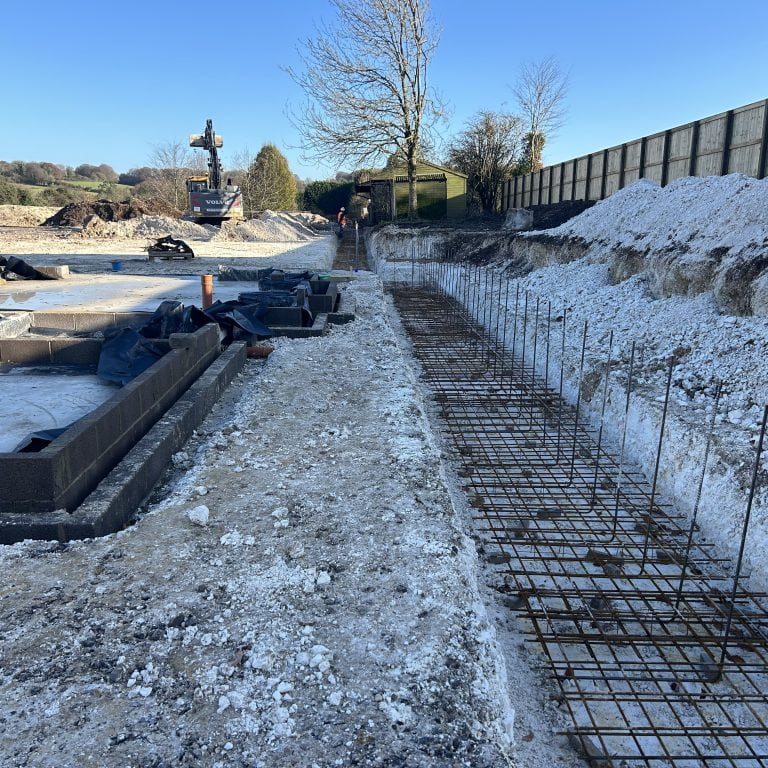
Advanced Site Analysis and Technical Planning
Early collaboration with architects and engineers allows us to align garden and property levels accurately from the start. This reduces costly rework and prevents unnecessary material movement.
We use detailed site data and modelling tools to create efficient designs that minimise disruption and maximise sustainability.
Specialist technical reports include:
Soil management plans
Ecology and biodiversity reports
Arboricultural assessments
Geotechnical surveys
Drainage engineering coordination
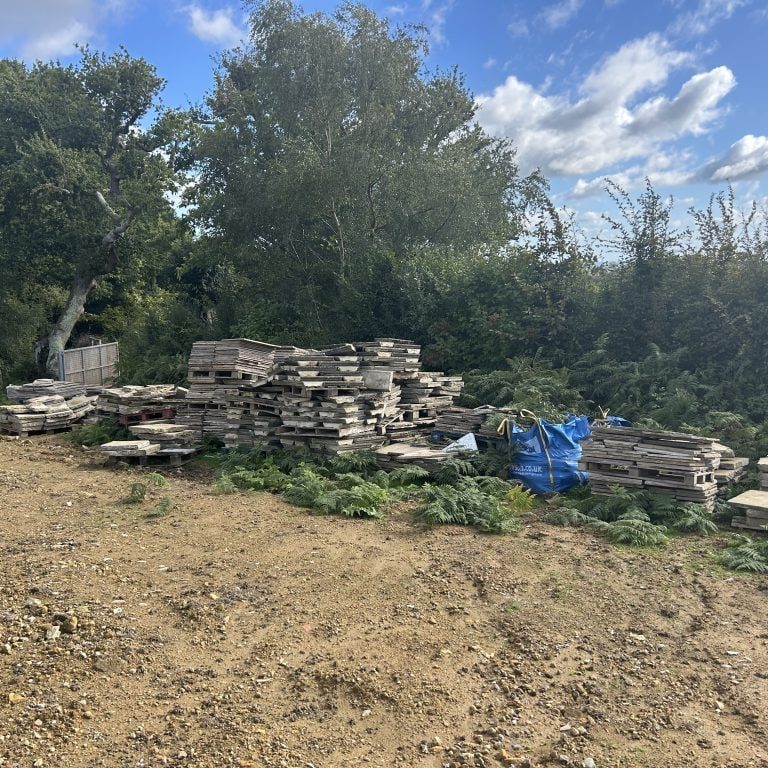
Material Retention and On-Site Recycling
Reusing existing site materials is one of the most effective ways to reduce embodied carbon.
Where possible, we retain and repurpose materials already on site to lower transport emissions and reduce landfill waste.
Our waste reduction methods include:
Crushing existing structures for hard landscape sub-bases
Reusing paving and building materials
Sourcing local and recycled materials
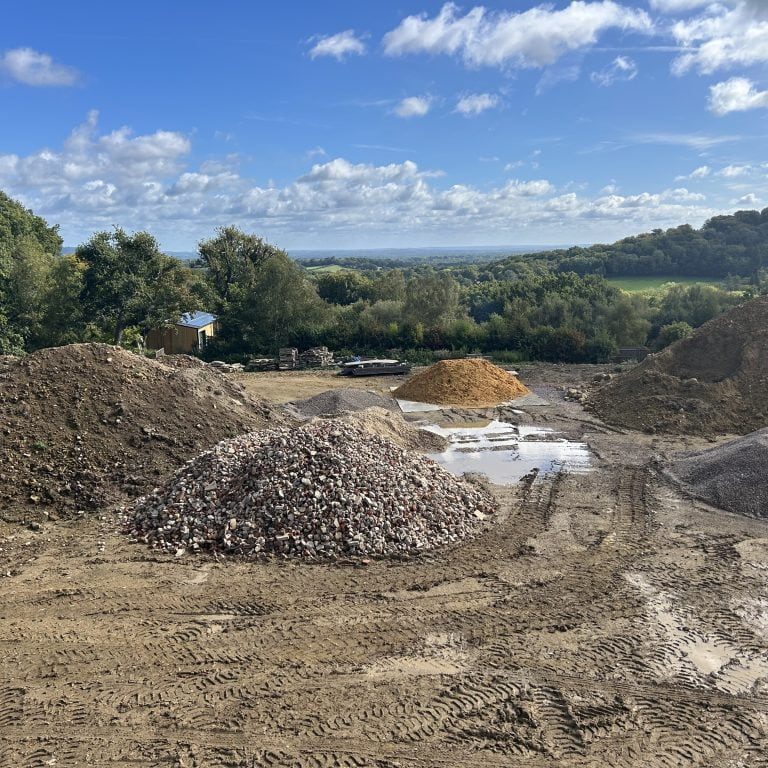
Precision Soil Volume Calculation and Management
Using advanced 3D modelling software, we calculate soil volumes and placement before work begins. This allows us to manage cut and fill efficiently and avoid unnecessary machinery use.
This process helps to:
Reduce fuel consumption
Minimise site disruption
Lower transport requirements
Reduce overall project carbon footprint
Control construction costs
Enhancing Soil Health for Long-Term Benefit
Healthy soil is the foundation of sustainable landscape design. We focus on improving soil structure and biological health to support resilient planting and long-term garden performance.
Well-managed soil improves water retention, supports biodiversity and naturally stores carbon. This results in gardens that require less maintenance and fewer chemical inputs over time.
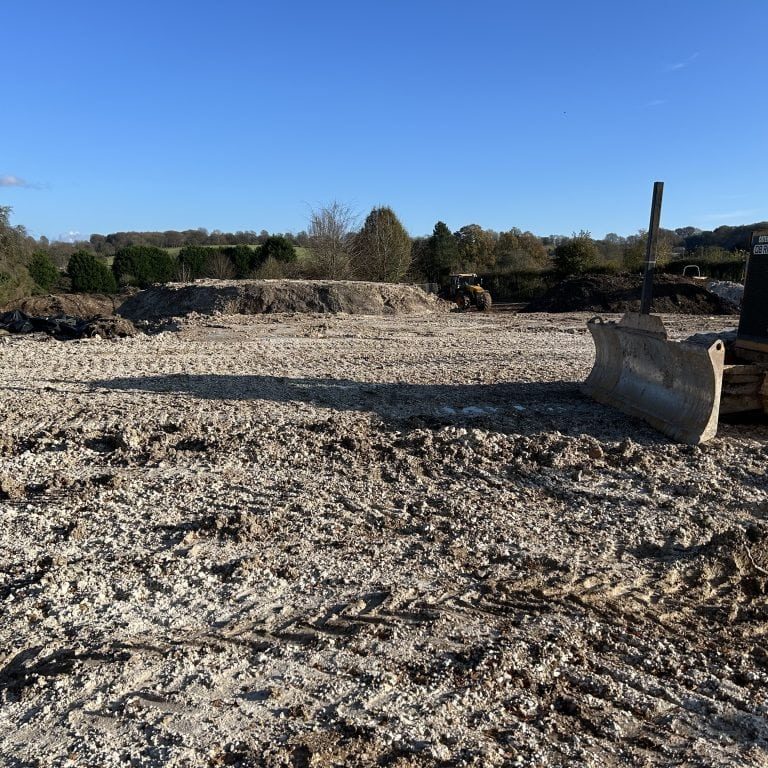
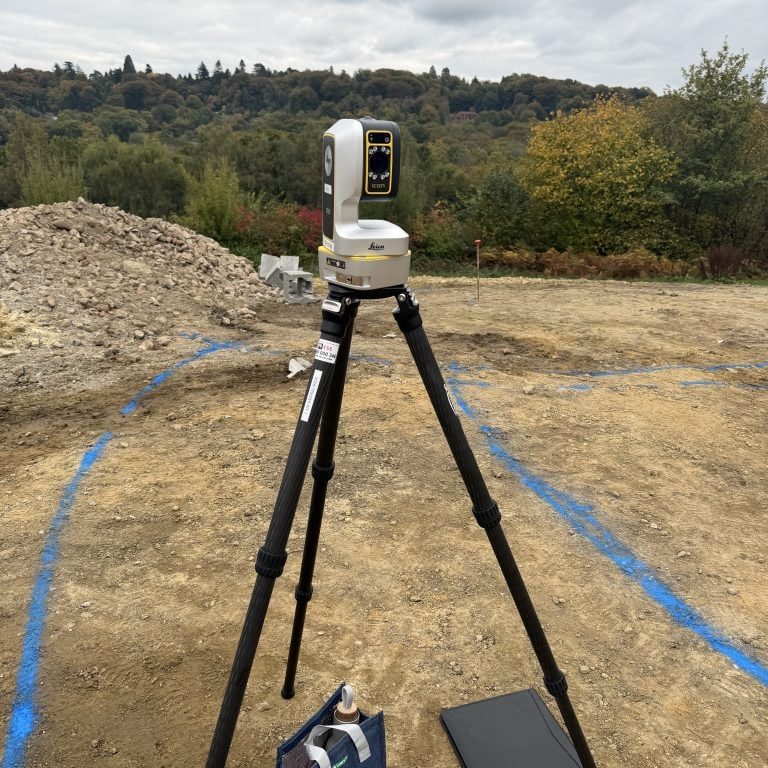
High-Precision Set-Out with Robotic Surveying
Once the design is complete, we use robotic surveying technology from Leica to transfer the 3D model directly onto site.
This ensures:
Accurate construction levels
Reduced over-excavation
Minimal material waste
Improved build efficiency
Greater design accuracy
Visualising your sustainable garden design
We utilise advanced 3D software to ensure complete client clarity and minimise miscommunication before any physical work begins, which is a crucial step in reducing expensive, last-minute changes and the associated carbon footprint of rework.
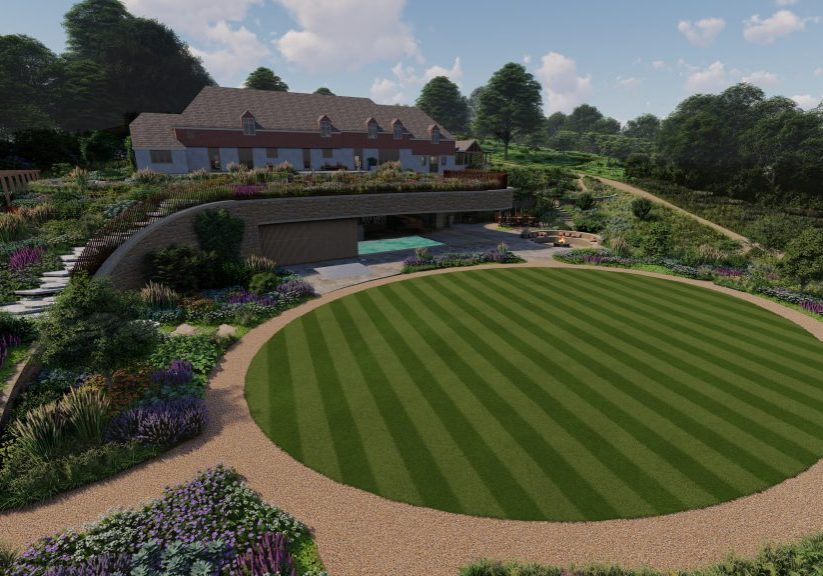
Full 3D Visual Animations
We provide full 3D visuals and daily routine animations to give you a full concept overview prior to any work starting on site, so that you can see all aspects of your garden before it’s constructed.
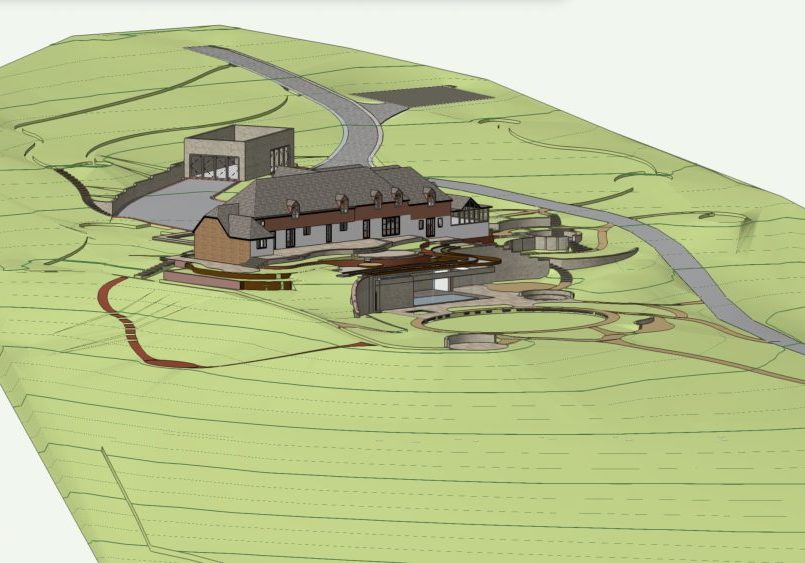
Visualising Hard Landscape
In addition, we provide these 3D animations without planting so that you can visualise all the hard landscape works and how it interacts with the ground levels throughout your garden, ensuring perfect alignment with the architectural design.

Working with Elemental
Elemental is an environmental design tool we use at PC Landscapes that is aligned with RIBA’s Sustainable Outcomes. We use this tool to make informed design decisions that are beneficial to your specific environment and can lead to further cost savings.
By using Elemental alongside our state-of-the-art CAD software, we analyse your landscape and use the results to produce a landscape design that meets your requirements, while also working in harmony with the ecosystem around you.
Elemental allows us to prioritise responsible landscape design, using existing landscape elements and renewable and recycled materials wherever possible.
Sustainable landscaping in action
Our commitment to sustainable landscaping is reflected in every project we deliver across Surrey, Hampshire and the South East.


For these two exceptional properties, we used Elemental and Vectorworks Landmark advanced 3D software tools to plan both hard and soft landscaping in detail before construction began.
This approach allowed us to accurately calculate material volumes, reduce unnecessary imports, minimise transport emissions and reuse existing materials on site wherever possible. In several projects, original paving and structures were crushed and repurposed to create new surfaces, significantly reducing waste and carbon impact.
We use Lumion to create these final models that contain all the technical details that is created in Vectoroworks to provide a full understanding of the scheme pre-build.

Digital modelling for sustainable garden design
We use detailed 3D modelling to improve design accuracy and reduce unnecessary changes during construction. This helps prevent material waste, avoids repeat site visits and significantly lowers the carbon footprint associated with project rework.
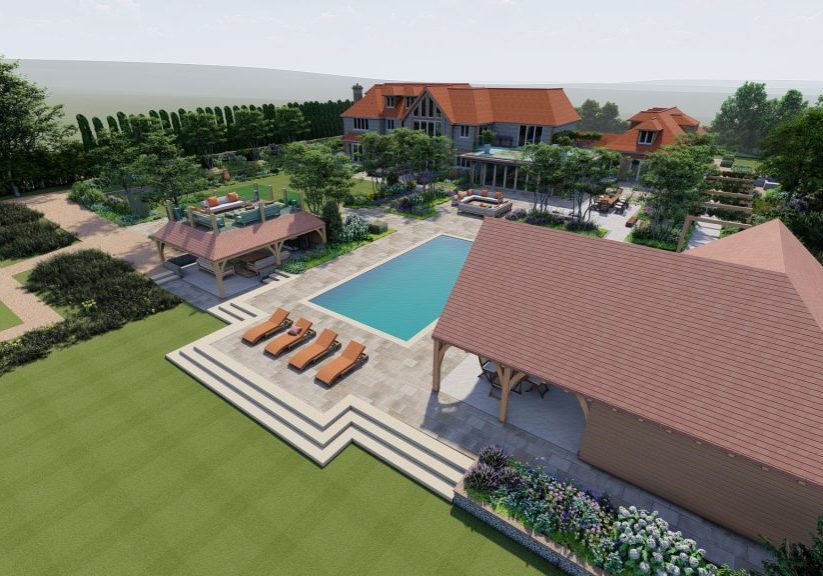
3D Renderings and Simulated Day-in-the-Life Views
High quality 3D renderings allow clients to review layouts, materials and usage before construction begins. This improves decision making early in the process and helps avoid unnecessary changes later on site.
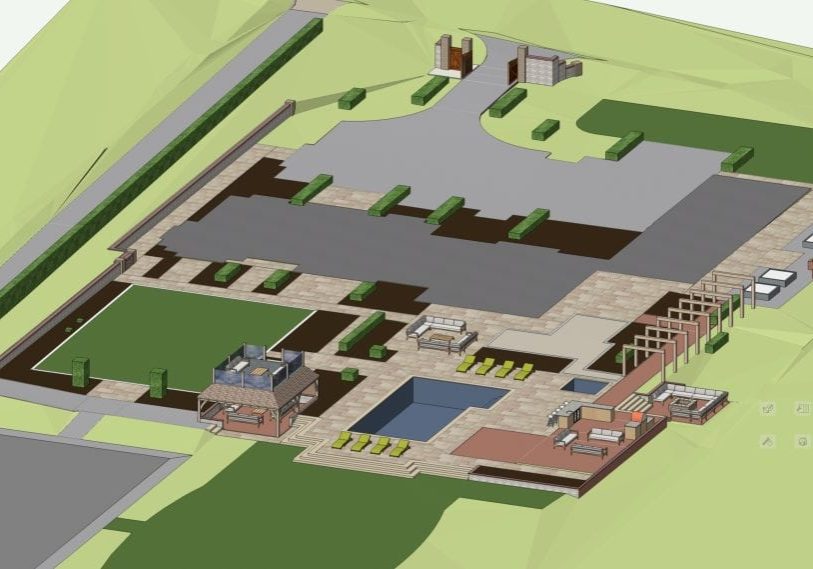
Previewing Structural and Earthwork Elements
We can isolate structural and groundworks elements within our models. This ensures retaining walls, levels and built features integrate correctly with existing topography and architectural plans, reducing risk and material waste during construction.