


Garden lighting at night defines how a space is experienced once daylight fades. It shapes both atmosphere and usability, and transforms outdoor spaces into something entirely different after sundown. Lighting schemes aren’t simply about visibility but about creating depth, focus, and continuity with the architecture.
How can lighting extend the use of your garden across all seasons while enhancing its design intent?
What makes garden lighting design effective at night?
The most successful schemes rely on layering different types of light rather than relying on a single source. There are three main types of lighting:
- Ambient lighting – provides a soft glow, often subtle across planting or low-level around terraces
- Task lighting – ensures usability, such as discreet downlights above dining areas, or integrated lighting within steps and pathways
- Accent lighting – introduces focus, highlighting focal points such as trees, structural planting, or architectural features like pergolas
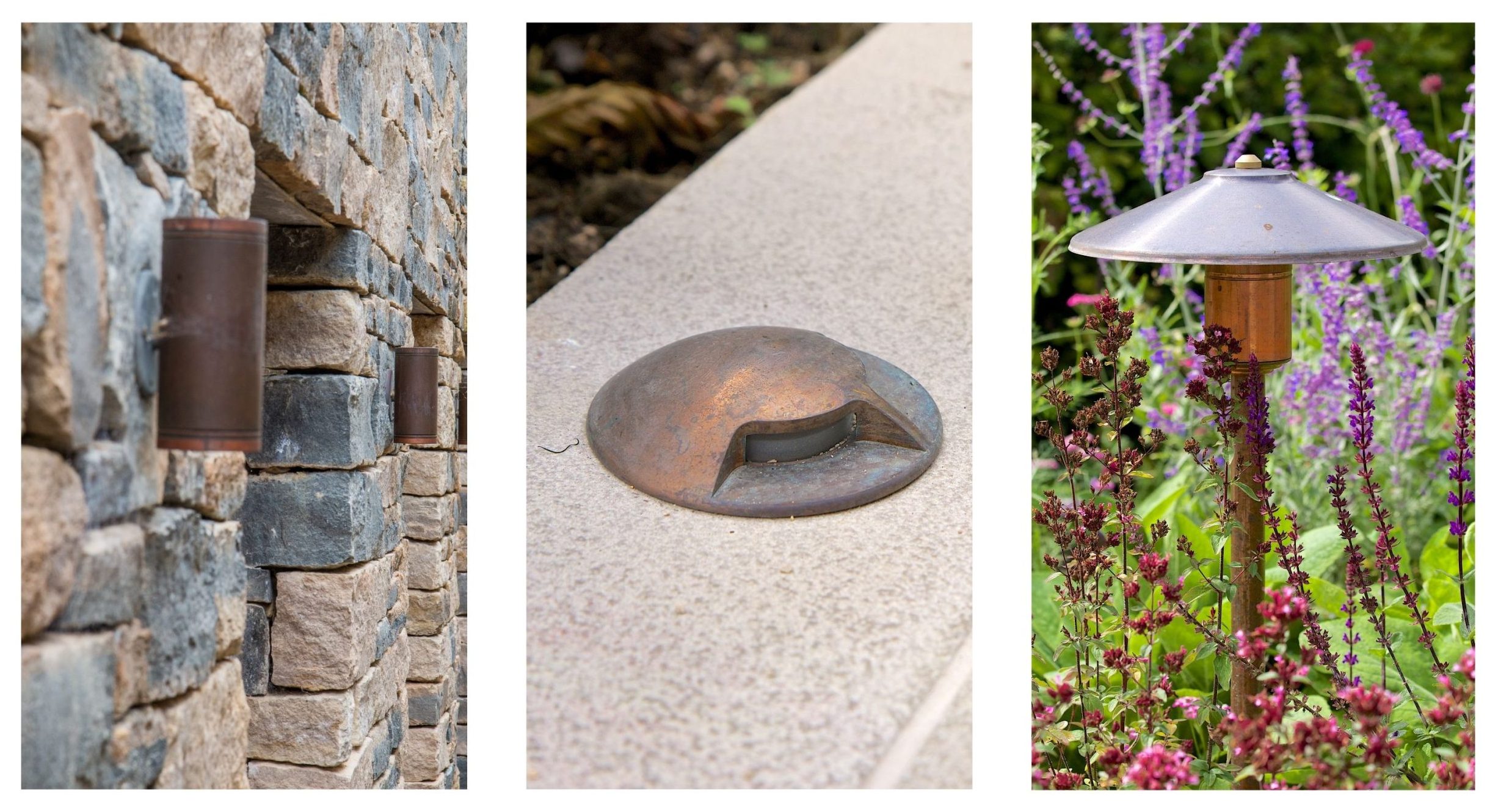
Restraint is essential. Over-lighting removes contrast and flattens the landscape, reducing the sense of depth that makes a garden feel considered. Warm white lighting, typically around 2700K, complements natural materials and maintains a residential tone. Equally important is positioning. Concealed fittings within planting or hard landscaping allow the effect of light to take precedence, influencing how space is perceived without drawing attention to the source.
Effective garden lighting balances function, mood, and visual hierarchy to shape how a space is experienced after dark.

How can lighting extend the use of your garden year-round?
Lighting allows gardens to remain functional and inviting throughout the year, particularly as daylight hours shorten. In autumn and winter, early dusk requires practical illumination so terraces, seating areas, and pathways remain usable.
Visual warmth becomes important in colder months. Fire features paired with soft surrounding lighting create a focal point that encourages use even in lower temperatures. In contrast, spring and summer lighting can be more understated, extending outdoor dining and relaxation into the evening without overpowering the setting.
Zoning plays a key role. Distinct areas for dining, lounging, and circulation can be defined through lighting alone, guiding how the space is used. Linking lighting to seasonal planting ensures the garden retains structure throughout the year, for example by highlighting evergreen forms in winter while allowing softer planting to take focus in summer.
How can lighting highlight garden features and landscaping?
Strategic lighting draws attention to the structure of the garden and the property, reinforcing the overall design intent. Uplighting mature trees or specimen planting introduces vertical emphasis, adding depth and anchoring the space at night.
Grazing light across textured surfaces such as natural stone or timber reveals detail that is often lost in daylight. This enhances the quality of materials and brings a more tactile dimension to the garden. Water features benefit particularly from lighting, where reflections and movement create a focal point that evolves throughout the evening.
Carefully positioned lighting around architectural features also plays a role in how the garden is viewed from inside, becoming part of the interior experience.

Luxury lighting features that elevate outdoor living
High-end lighting solutions extend beyond standard fittings, offering both design impact and control. Integrated lighting within hard landscaping is a defining feature, with steps, retainingwalls, and seating incorporating discreet illumination that feels part of the structure.
Subtle smart lighting systems, such as in-ground and recessed fittings, allow for precise control, whether through app-based settings or automation. This makes it possible to adjust lighting scenes depending on the occasion, from relaxed evenings to larger gatherings.
Statement lighting can also be used selectively in focal areas, such as dining terraces or courtyards, where sculptural fixtures add a distinctive presence without overwhelming the space.
How to create atmosphere with garden lighting
Atmosphere is created through contrast, shadow, and careful placement rather than brightness. Shadow play is particularly effective, with light filtering through planting or across surfaces to introduce movement and depth.
Layering light levels ensure some areas are intentionally left softer, allowing others to stand out. Dimmable systems add flexibility, enabling lighting to adapt throughout the evening.
Lighting planting indirectly creates a more natural effect, avoiding harsh highlights and maintaining a softer visual tone. In larger gardens, lighting can also be used to form smaller, more intimate zones, making the space feel inviting rather than expansive.
Pathway and safety lighting without compromise
Safety lighting can be discreet while still highly effective. Low-level pathway lighting guides movement without glare, often through recessed fittings or subtle fixtures positioned within planting.
Step lighting, integrated into risers, ensures level changes are visible without interrupting the design. Avoiding harsh floodlighting is essential, as it detracts from atmosphere and creates unnecessary visual noise.
Lighting can also guide movement intuitively, leading guests through the garden in a way that feels natural. The key is ensuring safety measures align with the wider design rather than appearing separate from it.

Energy efficiency and sustainability in garden lighting
LED technology is now standard, offering longevity and consistent output with lower consumption.
Smart timers and motion sensors help reduce unnecessary usage, ensuring lighting is only active when required. Zoning systems allow different areas to be controlled independently, avoiding the need to illuminate the entire garden at once.
Solar lighting can be used selectively for decorative purposes, although it is less suited to primary lighting where consistency and reliability are required.

Transforming your garden after dark
Thoughtful garden lighting transforms outdoor spaces into usable, atmospheric environments long after sunset. By combining layered lighting, architectural focus, and discreet technology, a garden becomes as considered at night as it is during the day.
Expertise in selecting fittings suited to premium materials also supports durability and long-term performance.
For tailored lighting design that complements your property, contact us to discuss your project.